A fast-spreading invasive species has been spotted in a pair of prominent Southern California lakes, raising grave concerns for the state’s ability to keep the tiny creature at bay. Last fall, the invasive golden mussel was identified in the Port of Stockton in the Sacramento-San Joaquin Delta, representing the very first time the species had been found in North America — and now it’s come to two well-known lakes around greater Los Angeles.
Without containment, the tiny mollusks could spread quickly, officials warned last fall. And they were right — last week, state officials announced the invasive species had been detected at two separate Southern California lakes that are over 250 miles south of the Port of Stockton. In less than a year, golden mussels have spread through the State Water Project to Southern California, threatening the state’s water infrastructure and damaging delicate aquatic ecosystems.
The invasive golden mussel has been confirmed at Silverwood Lake in San Bernardino County and Pyramid Lake in Los Angeles County, according to the Department of Water Resources, the California Department of Fish and Wildlife and California State Parks. The two lakes are now the southernmost reservoirs in the State Water Project where the mussels have been found.
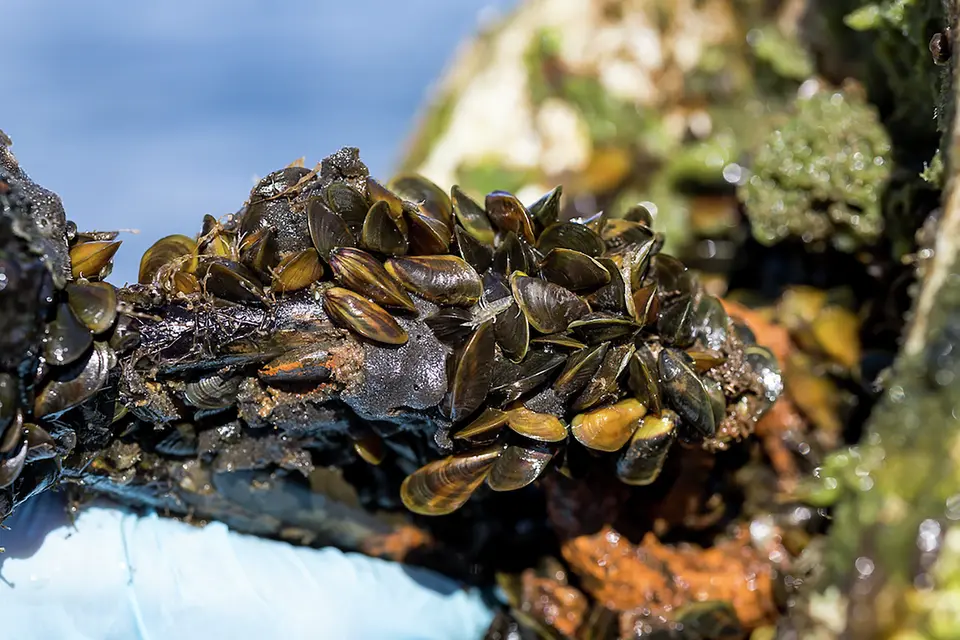
The golden mussel is native to China and Southeast Asia and “is known for its rapid reproduction and ability to clog water infrastructures, disrupt ecosystems, and outcompete native species,” according to a news release from the state’s Department of Water Resources. The mollusk’s fast march across California could spell trouble for the state’s vast network of canals, reservoirs and pipelines, which shuttle water from the San Joaquin Delta to other parts of the state, leading to expensive damages and removal costs. Two-thirds of California residents rely on water from the delta.
Invasive mussels can also damage boats by clogging engines and attaching themselves to hulls. There are currently “no effective methods to treat or eliminate the golden mussel from infested waterways,” according to state officials, meaning the main response to the invasive mussel is prevention.
Silverwood Lake will now be subject to new protocols for boaters, including an outbound inspection and advisory to make sure all boats are “cleaned, drained, and dried” after going out on the lake. A previous advisory that required inspections of all boats before entering the lake is now lifted, since the inspections checked for the invasive mussels that have since “infested” the lake.
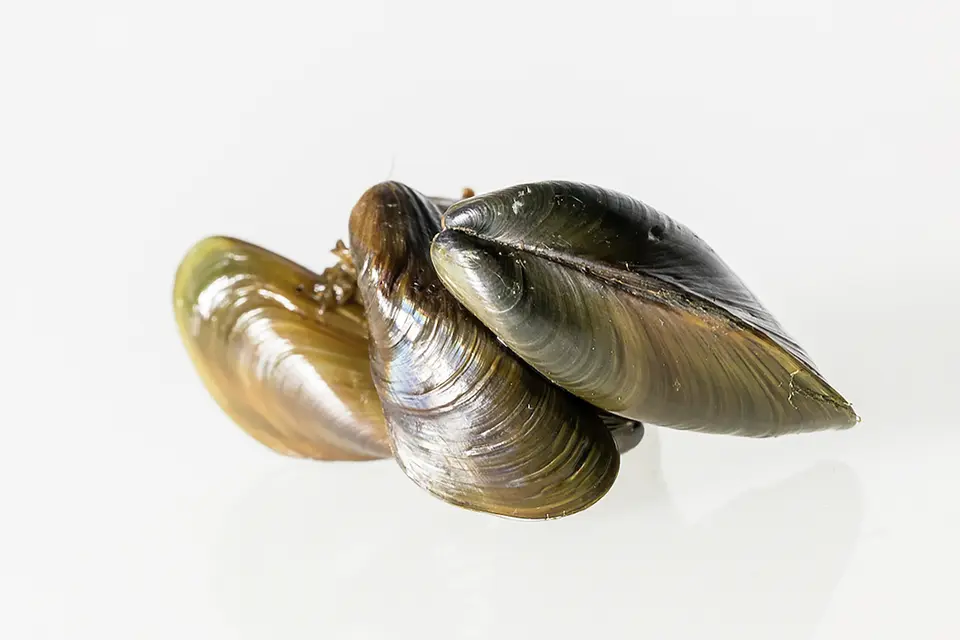
Pyramid Lake already has exit inspections in place because of a different invasive mussel first found at the lake in 2016. Bay Area waterways also added new protocols for boaters to fend off invasive golden mussels earlier this year.
The mussels will likely spread next to Riverside County’s Lake Perris, given the daily transfer of water from Silverwood Lake to Lake Perris, according to the news release. That lake is continuing entry inspections for now and plans to switch to exit inspections if golden mussels are found.
The California Department of Fish and Wildlife released a response plan to address the threat of golden mussels earlier this year, and the Department of Water Resources is also researching ways to mitigate the spread, as well as designing ways to protect the state’s water infrastructure.