
Nancy Pelosi inclina la balanza en la carrera por su sucesor

Date:

A split image shows two elected officials speaking at podiums. On the left, a person in a coral blazer gestures while speaking onstage against a dark background. On the right, a person in a light blue suit and patterned tie speaks into a microphone while holding notes inside a legislative chamber.

This article is also available in English. Read it here.

La expresidenta de la Cámara de Representantes, Nancy Pelosi, ha respaldado a la supervisora de San Francisco, Connie Chan, para que la suceda en el Congreso.

El respaldo de la congresista, que lleva 20 mandatos y es la primera mujer en presidir la Cámara de Representantes, supone un giro inesperado en la contienda demócrata a tres bandas por convertirse en la próxima representante de San Francisco en el Congreso. Pelosi anunció en noviembre pasado que se retiraría en lugar de buscar la reelección.

“Conozco este distrito, conozco el Congreso y conozco a Connie”, dijo Pelosi en un breve fragmento de un video proporcionado por su equipo, en el que aparece sentada junto a Chan. “Me enorgullece respaldar a Connie Chan y les pido que se unan a mí para elegirla al Congreso”.

El vídeo completo de respaldo se publicó el martes por la mañana.

Según las encuestas recientes , el senador estatal Scott Wiener lidera la contienda con una ventaja de dos dígitos. Chan se encuentra muy igualada con el empresario tecnológico y exasesor principal del Congreso, Saikat Chakrabarti, quien financia gran parte de su campaña con fondos propios. La exrepublicana Marie Huriabell también se postula.

En el anuncio, el expresidente de la Cámara señala el liderazgo de Chan como supervisora y presidente del comité de presupuesto de la Junta de Supervisores como prueba de que ella luchará “incansablemente” para “fortalecer nuestra red de seguridad y proteger nuestros derechos”.

El respaldo de Pelosi resulta algo sorprendente, ya que la expresidenta de la Cámara de Representantes había indicado que no apoyaría a ningún candidato en la caótica contienda por la gobernación, aunque se la vio en eventos de recaudación de fondos para Chan y pareció brindarle un apoyo extraoficial. También representa una reprimenda pública a Wiener, quien anteriormente había calificado a Pelosi como su “heroína”.

“Siento un enorme respeto por la Speaker emérita Pelosi y una profunda gratitud por todo lo que ha hecho por nuestra ciudad y nuestro país. Quien gane en noviembre tendrá un gran reto por delante”, declaró Wiener en un comunicado.

Pelosi elogió a Chan como “una madre que conoce su poder y sabe cuál es su ‘por qué’” y dijo que también aportó una valiosa experiencia vivida como mujer inmigrante asiático-americana.

“La historia de Connie refleja el sueño americano: las esperanzas y el coraje de tantas familias que llegaron a este país creyendo en la oportunidad, la dignidad y la democracia.”


LEAVE A REPLY

Please enter your comment!
Please enter your name here

Share post:

Subscribe to The Hemet & San Jacinto Chronicle

Popular

More like this
Related

Can you trust that post about Tom Steyer? How paid influencers are flooding into the governor’s race

In summary Billionaire Tom Steyer is paying influencers to boost...

Moving to California with a gun? You might have to take a four-hour course

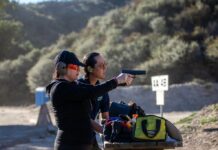
A person wearing ear protection and tinted safety glasses aims a handgun at an outdoor shooting range while another person stands closely behind, appearing to offer instruction. Bags and equipment rest on a wooden bench beside them, with hillside terrain blurred in the background.

In summary

Want to buy a gun in California? Lawmakers may have you set aside four hours — and bring ammo for the range

Californians would have to take a four-hour course with live-fire training to buy a gun if a bill advancing through the Legislature gets signed into law.

Senate Bill 948, by Berkeley Democratic Sen. Jesse Arreguín, also would require gun owners moving to California to obtain a firearm safety certificate and register their firearms within 180 days of their arrival. Beginning in 2028, obtaining that certificate would require completing the training.

It’s the latest effort by California Democrats to add more restrictions on firearm ownership in a state that already has some of the toughest gun laws in the country. However, it’s hardly certain the bill will become law. A similar measure died in the Legislature last year.

This year’s proposal advanced from the Senate Appropriations Committee Thursday on a party-line vote with Republicans opposed. Committee members offered no comment on the measure and did not take any public testimony, which is typical for that committee.

But in March, when an earlier version of the bill would have required eight hours of training, Arreguín told the Senate Public Safety Committee the proposed training requirements would reduce gun violence and prevent accidental shootings.

“Firearm safety is essential in preventing firearm-related incidents, especially those involving children,” he said. “By strengthening training requirements and closing gaps in current law, SB 948 will ensure responsible gun ownership to keep Californians and communities safe.”

Rebecca Marcus, a lobbyist for the Brady Campaign, told the committee there were more than 69,000 shootings resulting in death or requiring urgent medical care in California from 2016 to 2021. Around one in three of those shootings were accidental, she said. Many involved children.

Gun rights advocates said the bill would be challenged in court if it becomes law. 

Adam Wilson of Gun Owners of California called the proposed requirements “an insurmountable barrier to exercising a constitutional right.”

Clay Kimberling, a lobbyist for the National Rifle Association’s Institute for Legislative Action, said that’s especially true for the estimated 115,000 gun owners who move to California each year.

“Whether they move into the state on a new job, a new military assignment, or family obligations such as helping a sick or elderly family member, lawful firearm owners would now have to search out an instructor, pay for the class … and take eight hours out of their day … for simply wanting to continue to practice their constitutional right to keep and bear arms in a new state,” Kimberling said.

That original version of the bill also would have required new California arrivals to register firearms and take the course within 60 days. 

Will the bill make it to Newsom?

Under current law, Californians are required to pass a written test and pay $25 to obtain a five-year firearm safety certificate to purchase a gun, but no formal training course is required.

Licensed hunters are required to take a mandatory hunting-safety course and aren’t required to get a certificate when buying rifles or shotguns. Also exempt are those who’ve obtained a concealed weapons permit, which is issued after 16 hours of mandatory training that includes live-fire at a gun range.

Those exemptions would still apply.

For everyone else, the proposed four hours of training would include coursework on state and federal gun laws, secure firearm storage, safe handling, the dangers of guns, use-of-force laws, how to sell firearms legally and conflict resolution. The live-fire portion of the course would need to last at least an hour.

Second Amendment groups say paying a Department of Justice-certified firearms instructor would add at least $400 to the cost of buying a firearm. Applicants also would have to pay for ammunition, gun rentals and range fees. Fees and firearms taxes already can add more than $100 to the cost of a firearm in California. 

The training requirements would take effect July 1, 2028.

Until then, beginning on Jan. 1, gun owners moving to the state would be required to pass the current written test and register their firearms with the Department of Justice within 180 days.

Violating the proposed law would be a misdemeanor.

The bill now moves to the full Senate. It will then have to advance through the Assembly by this summer if Gov. Gavin Newsom is to sign it. He hasn’t taken a position on the legislation.

Last year, a bill with eight-hour training requirements died in the Assembly Appropriations Committee.