
From June 15 through 17, the Soboba Tribal Environmental Department (STED) hosted the Spring 2026 RTOC (Regional Tribal Operations Committee) meeting at the Soboba Casino Resort Event Center. The EPA Pacific Southwest (Region 9) RTOC is a working partnership between the U.S. EPA and federally recognized Tribal Nations in Arizona, California, Nevada, and the Pacific Islands.
The RTOC works to promote Tribal sovereignty, assist Tribal environmental protection programs, and guide EPA regarding Tribal needs and concerns. Its meetings serve as a forum for two-way communication on environmental priorities affecting Tribal lands. The events facilitate collaboration between Tribal environmental directors, EPA personnel, and other federal agencies on public health, funding, and technical issues. The in-person event also allowed for virtual participation for most of the sessions.
STED Environmental Director Christian Aceves said RTOC’s heart lies in government-to-government consultation. The RTOC brings Tribal leadership together with EPA counterparts to collaborate on environmental policies, program design, and regional issues.
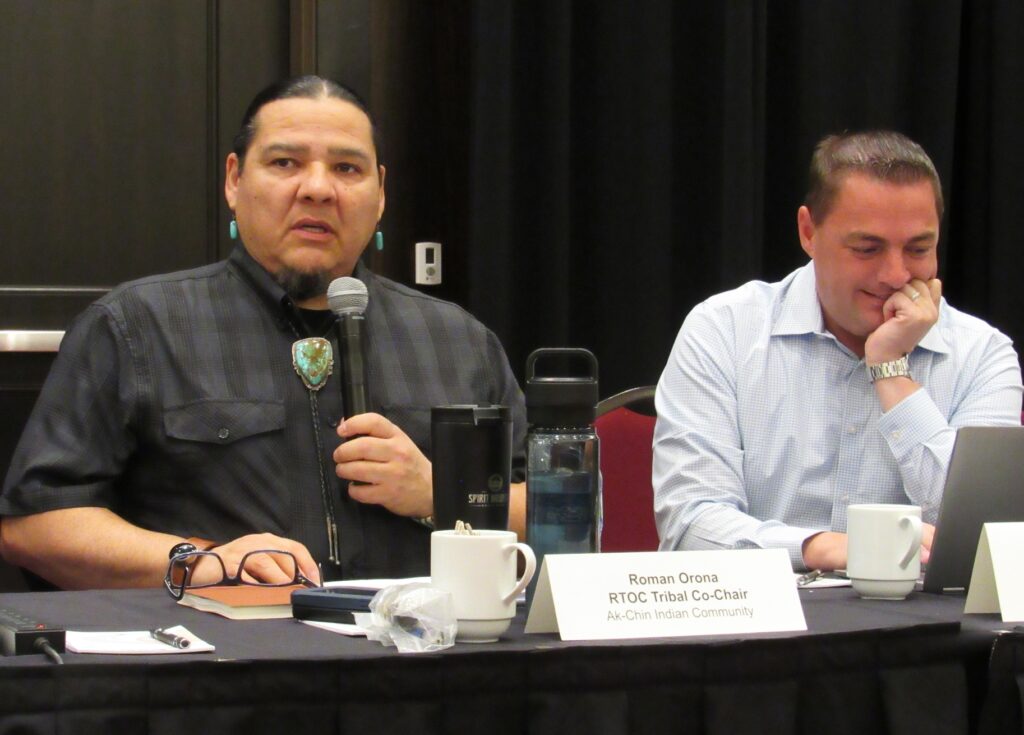
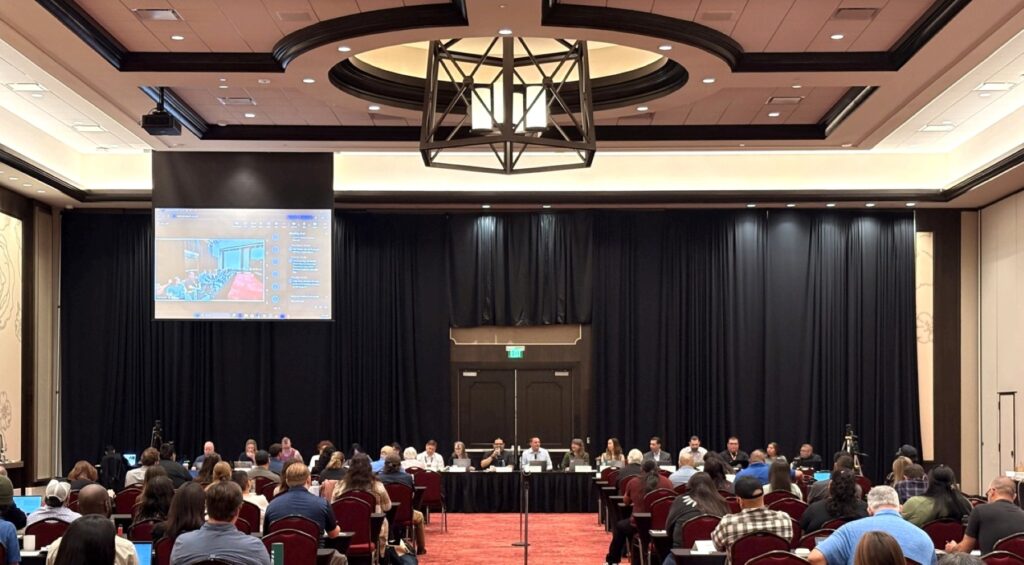
The first day of the meeting featured about 70 in-person participants. Attendance swelled on Wednesday, with around 105 individuals joining onsite and an additional 60 dialing in virtually. Participants included Environmental Delegates and Leadership (Council members, Environmental Directors, Specialists, Coordinators), EPA representatives (staff, Regional Administrators, Division Directors, Grant Project Officers), and nonprofit and higher ed partners like NAEPC and NAU. Facilitating the event were RTOC Tribal co-chair Roman Orona, of the Ak-Chin Indian Community and RTOC EPA co-chair Mike Martucci, Acting Regional Administrator for U.S. EPA Region 9.
Martucci assured the group that their concerns about Quality Assurance issues were heard loud and clear and being taken into consideration. “We want you to know that we are committed to continuing to support you in the ways that we can and in ways that you need us to support you so that you can achieve your environmental goals,” he said. “We want to understand how we can serve you best and are looking forward to figuring out what that future looks like through robust conversations together.”
Laura Ebbert, Director at the same department as Martucci said, “We recognize that RTOC is so much more than what is on the agenda and these meetings are so much more than what’s on the screen.”
Orona expressed that at the end of the day, the work that Tribes are doing is not a job, it’s a responsibility. “It’s a responsibility in our relationships, not only with each other as humans but more specifically with our relatives of the land, and the air and the water and the things that those provide for us, not just now but for the future generations,” he said. “That’s why this work is so passionate to these Tribal community members. When we hand it off to them, that’s what we’re going to be judged on—what we gave them. So, when we have these conversations, it’s deeper than just now. These are the conversations that we are trying to get other federal agencies to understand; it’s about relationships. We are all going to be ancestors one day and what is your legacy going to be? At some point, I would hope and I pray that we get to that point where the Tribal voice is truly being heard and considered and that we’re not just dictated to.”
Aceves said the RTOC Committee reached out in early 2024 about hosting this event again, recognizing Soboba’s enthusiastic participation in prior events. He felt the successful hosting of the first 2024 Summer RTOC made Soboba the natural choice for a second round, with both EPA and RTOC teams strongly encouraging another gathering.
“This is easily the largest gathering of Tribal environmental professionals in Region 9, second only to the full EPA Annual Conference,” Aceves said. “The RTOC meets quarterly and serves as a vital forum where Tribal professionals and EPA officials engage in true government-to-government consultation. At this event, Region 9 Tribes offered direct feedback to the EPA on grants, policy development, program performance and more, fulfilling the RTOC’s mission to strengthen Tribal EPA partnerships through constructive dialogue.”
To further its goals, the RTOC focuses on three key areas: policy and management of EPA Indian programs; coordination/communication among Tribes, EPA, and other agencies; and education.
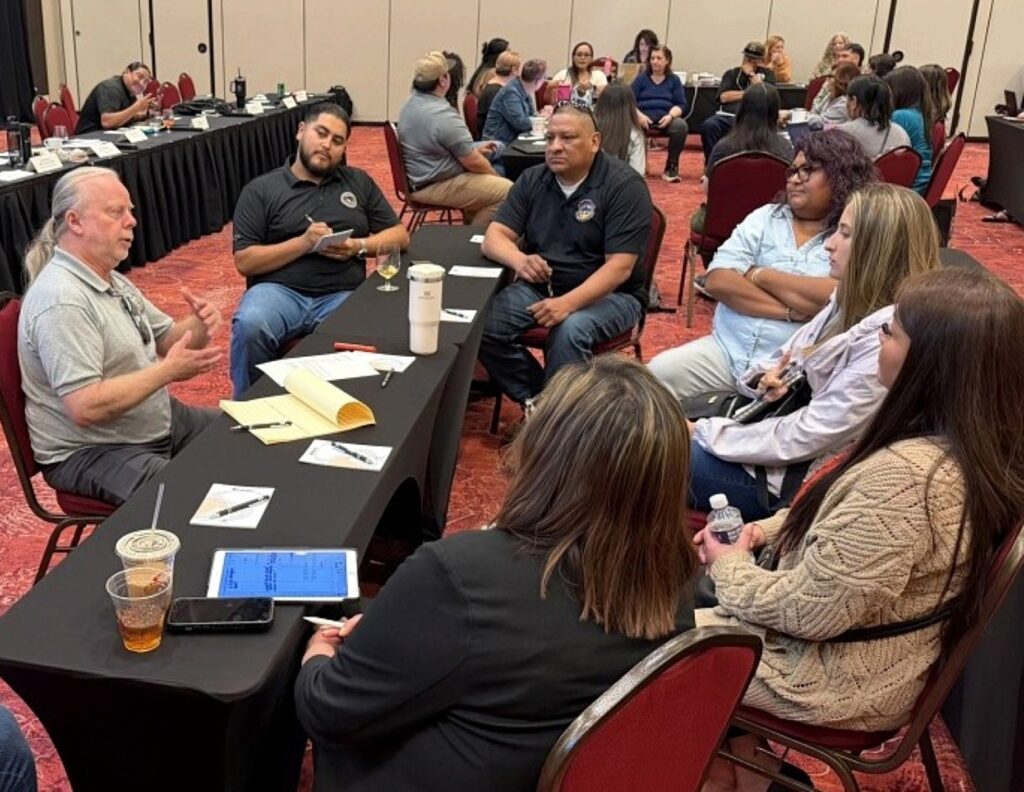
There were many meaningful activities during the three-day RTOC meeting with Monday’s site visit, Tuesday’s Tribal Caucus, Wednesday’s Plenary Sessions and two days of workgroups for breakout sessions. Action items that are discussed receive a written response from both the EPA and the proposing Tribe. These responses are addressed at the following RTOC meeting. You can view the list of addressed action items at www.epa.gov/system/files/documents/2026-06/r9-rtoc-response-to-winter-2026-action-items.pdf.
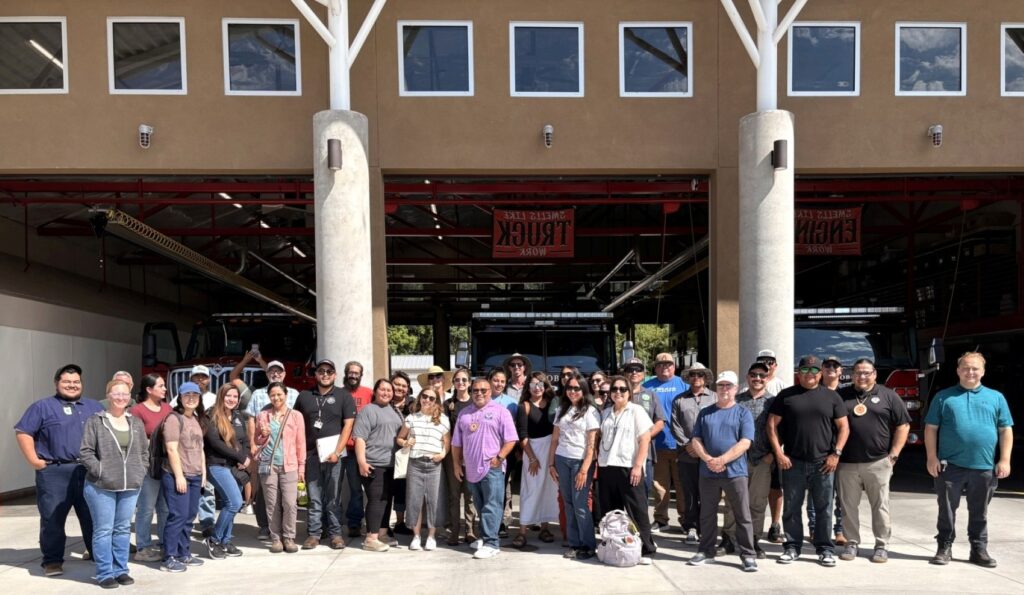
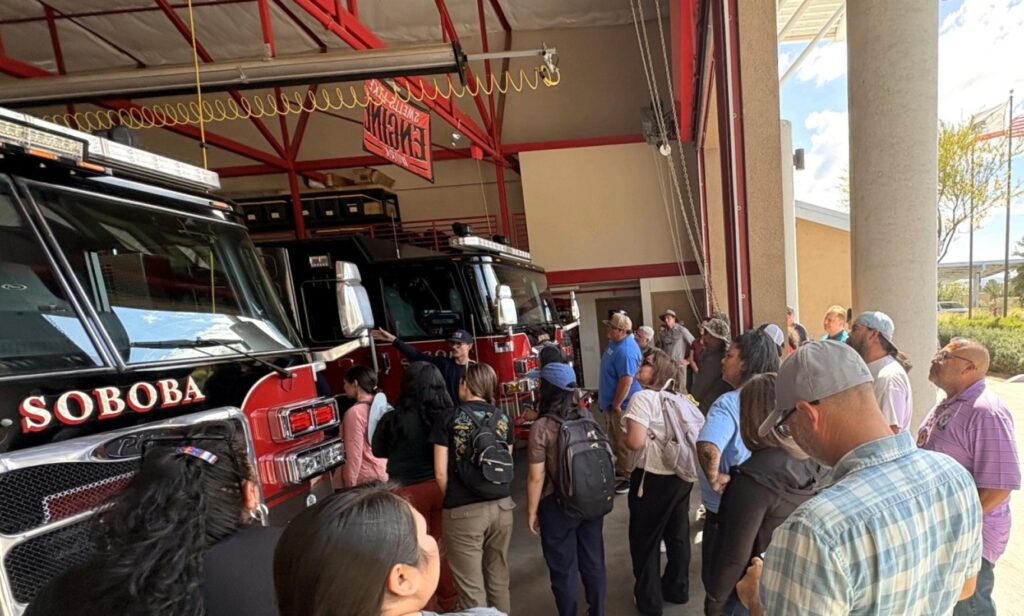
The first day began with a welcome by Aceves who shared details about the department’s mission and Soboba’s environmental programs which include a General Assistance Program, Clean Water Program, and Waste Management Program. His slideshow presentation was followed by a tour of the reservation that focused on showcasing Soboba’s solar infrastructure and the Tribe’s long-term commitment to energy sovereignty. The tour highlighted the Tribe’s three major solar installations: the Casino rooftop array, the Fire Department carport system, and the expansive Soboba Solar Fields.
On site visits allowed attendees to learn about the projects’ histories, funding sources, and the technical components behind each system, emphasizing how these investments reduce energy costs and strengthen Tribal resilience. The feedback was enthusiastic; many Tribes expressed that seeing these systems firsthand helped them envision how similar projects could be implemented in their own communities.
In addition to breakout sessions on Wednesday, the morning also featured a virtual visit from Usha-Maria Turner, the EPA’s Assistant Administrator for the Office of International and Tribal Affairs who was confirmed by the U.S. Senate this past October. She will lead efforts to advance the U.S. Environmental Protection Agency’s core mission of protecting human health and the environment.
Turner’s appearance led to some heated discussions about the EPA’s proposal to reduce RTOC meetings from four to two per year, a significant concern for Tribes.
“In-person gatherings offer richer engagement than virtual meetings, especially for Tribes in rural areas with limited internet access,” Aceves said. “Reducing meetings risks silencing voices and weakening government-to-government connection. RTOC is indispensable for empowering Tribal leadership and ensuring strong environmental policy input. This is a concerning matter that will be followed up at the next RTOC event scheduled to take place at EPA headquarters in San Francisco.”
A major highlight of the week for the STED team was presenting the wide range of environmental programs and innovative tools Soboba uses to protect its lands.
“Beyond our community programs for Elders and youth, including household hazardous waste disposal, CRV recycling, and Earth Day initiatives, we also showcased how Soboba maximizes Geographic Information Systems technology to enhance environmental protection. We demonstrated how GIS mapping supports wildlife tracking, identifies illegal dumping sites, and helps monitor environmental changes across the Reservation,” Aceves said. “Sharing these tools and approaches with other Tribes felt empowering; many of us work in our own silos and forget how much we can learn from one another. By opening the door to our methods, we help strengthen Tribal environmental capacity across the region. At the end of the day, we’re all working toward the same goal: healthier lands, healthier people, and a stronger future for our communities.”
For more information, https://epa.soboba-nsn.gov.